


100% Blue Weber agave. Water. Yeast. All Dobel tequilas begin with the same ingredients. Each decision made in the fields of our family estate in Mexico, and inside the Jalisco distillery, is the product of our inheritance and a relentless curiosity for innovation. Learn how time and technique shape every expression in the Dobel collection.
Where Is Dobel Tequila Made?
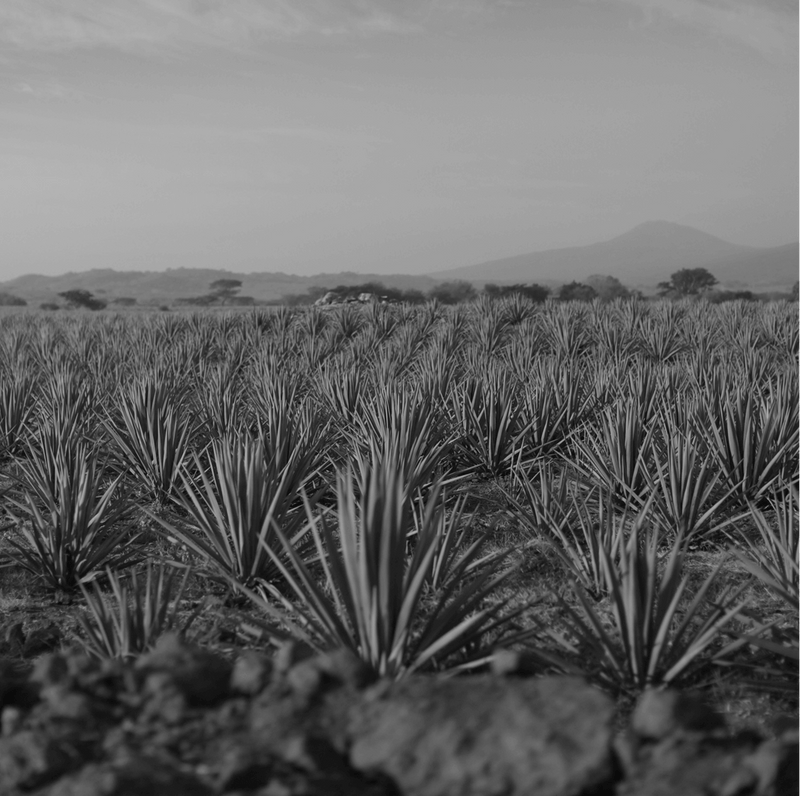
Dobel’s Blue Weber agave is grown in family-estate fields in the Tequila Valley — the mineral-rich region of Mexico known for its volcanic earth, which has nurtured tequila production for centuries.
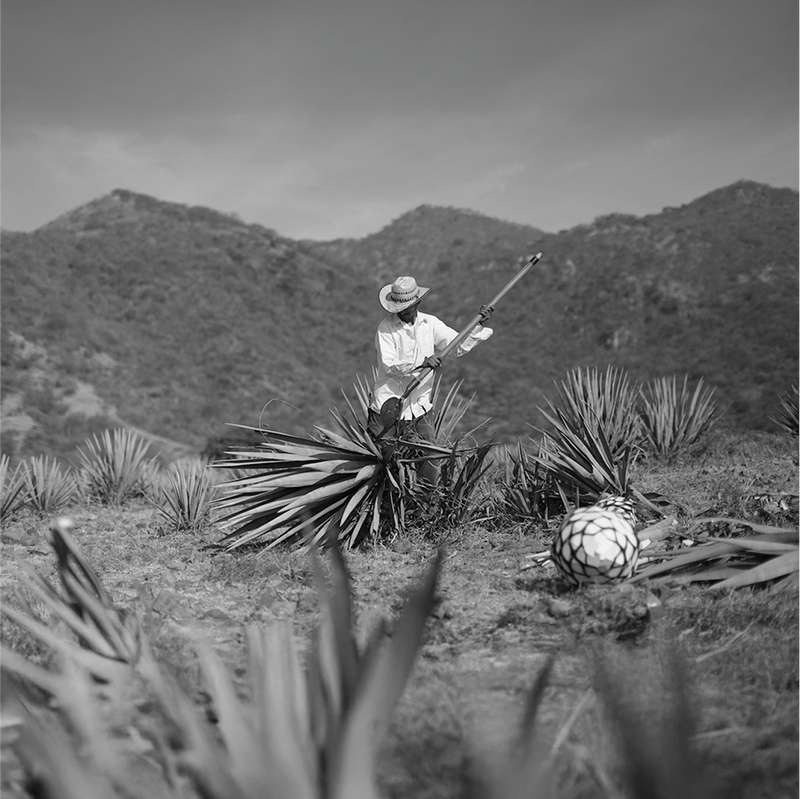
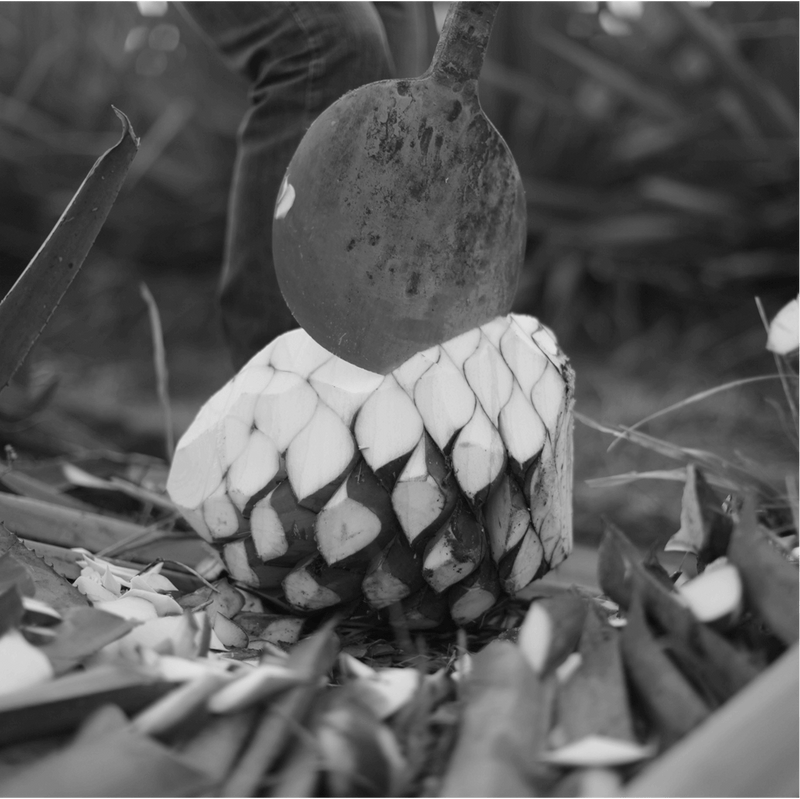
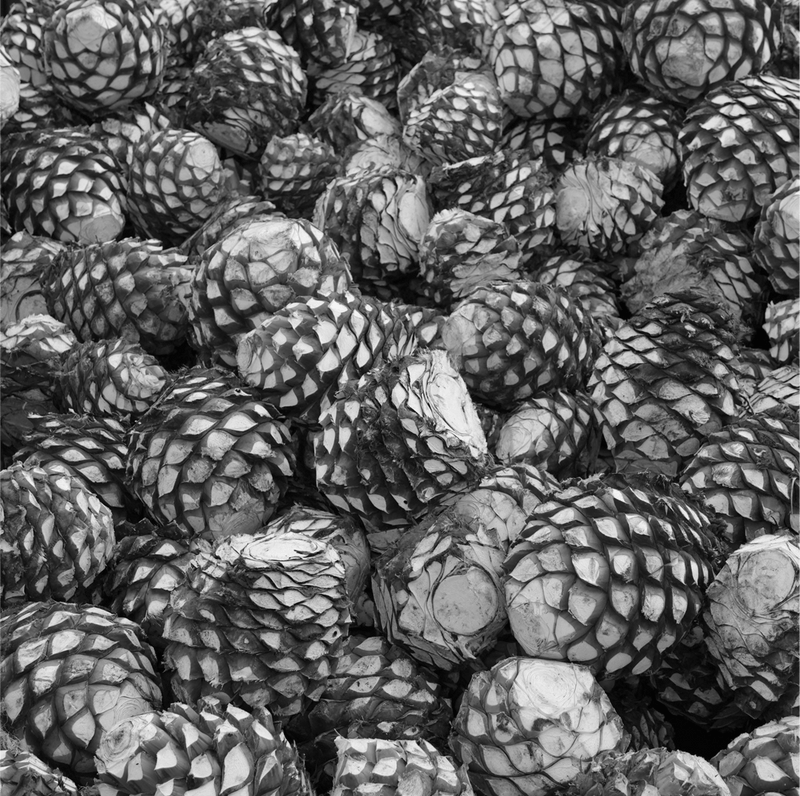
We wait for the agave to reach maturity, typically after 6-8 years, and harvest only prior to Mexico's rainy season for maximum sugar concentration. Our jimadores harvest the sugar-rich core of the plant, called the piña for its resemblance to a pineapple. Depending on the tequila expression, they use one of two precision techniques – the "jicama cut" or the standard agave cut – leaving the sweet heart of the agave for cooking and fermentation.
After the agave piñas are harvested, they’re moved to our distillery.


How Is Dobel Tequila’s Agave Cooked?
At La Rojeña II, part of the world’s oldest tequila distillery, the piñas are cut into halves and thirds, then moved into traditional masonry brick ovens where they steam-roast for 36 to 48 hours.
That sustained heat draws out the agave's fermentable sugars and builds the cooked, mineral depth that runs through every Dobel tequila expression.


How Is The Agave Juice Extracted?
To prepare the cooked agave for fermentation, its fibers must be broken down to release the concentrated juices. For some expressions, like Dobel Blanco, Dobel Reposado and Dobel Diamante Cristalino, we use a four-step roller mill. This passes cooked agave fibers through a sequence of rotating rollers to separate the sweet, fermentable juice from the remaining pulp — known as bagasse.


What Is A Tahona?
A tahona is a large volcanic stone wheel that slowly crushes the oven-cooked agave by rolling the piñas through a circular pit, unlocking natural sweetness and complex character. Dobel Tahona Blanco employs this namesake tool to keep the bagasse fiber intact through fermentation, where it shapes the expression's texture and weight.
Protected well water drawn from a tequila aquifer is used to gently rinse and carry the sugars forward.


How Is Dobel Tequila Fermented And Distilled?
Fermentation is where tequila develops its aromatic character and flavor profile. Many expressions, like Dobel Blanco, Dobel Reposado, and Dobel 50 Cristalino Extra Añejo, are fermented in closed stainless steel tanks for 40 to 50 hours, using a proprietary propagated yeast that builds consistency and complexity in our house style.
Again, Dobel Tahona Blanco takes a different path. Fermentation runs 6 to 7 days in wood-lined open stainless steel tanks, using Wild Ambient yeast alongside agave fibers carried over from the tahona mill. The open ferment and wild yeast contribute the fuller, earthier character that defines that expression.
All Dobel tequilas are distilled twice in traditional copper pot stills. Copper naturally binds sulfur compounds, smoothing the spirit and preserving the bright, clean agave character that defines the house.


How Is Dobel Tequila Aged?
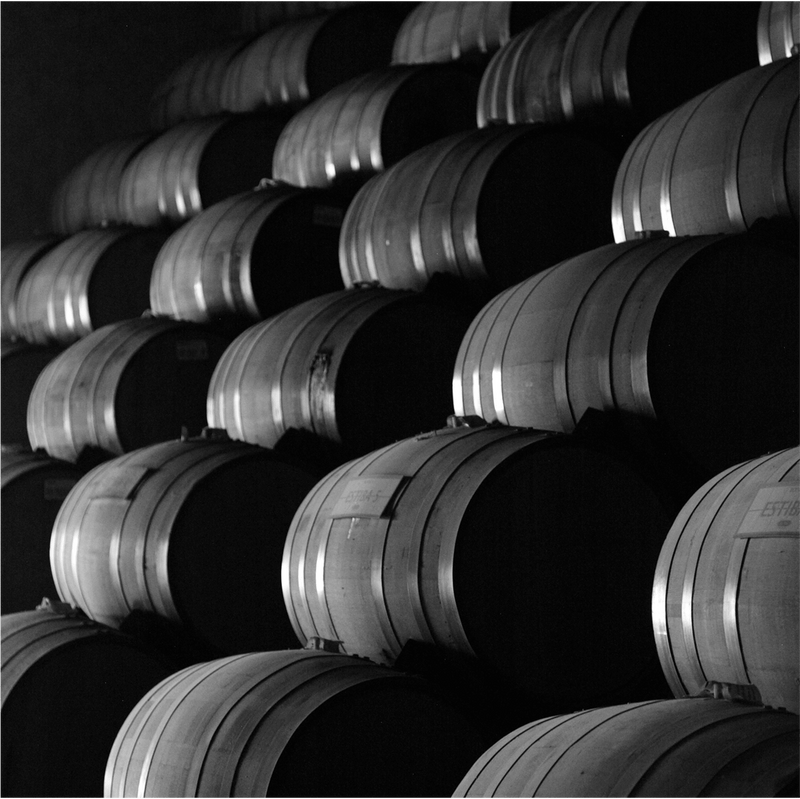
Our aged tequilas begin their transformation in oak after distillation. Dobel ages across various barrel types and toast levels depending on the expression. Some tequilas are aged in medium-char New American Oak barrels, which build sweetness and warmth, and others spend time in medium-toast New Eastern European Oak barrels for a drier spice and finer structure.
Time in the barrel, and the toast level of the wood, determine the spectrum of flavors found inside the final bottle. Every Dobel expression draws from this combination — finishing or blending in various barrel types to achieve a character no single barrel produces on its own.


-
 dobel BLANCO
Agave Cooked In: Masonry brick ovens for 36 to 40 hours
Extracted With: Four-step roller mills
Fermented In: Closed stainless steel for 40 to 50 hours using proprietary propagated yeast
Double Distillation: Copper pot stills
Aged: Unaged -
 Dobel Tahona Blanco
Agave Cooked In: Masonry brick ovens for 48 hours at 92 degrees Celsius
Extracted With: Tahona wheel
Fermented In: Wood-lined open stainless steel for 6 to 7 days using Wild Ambient yeast
Double Distillation: Copper pot stills (first distillation: 18-21% ABV; second: 53.5% ABV)
Aged: Unaged -
 Dobel Reposado
Agave Cooked In: Masonry brick ovens for 36 to 40 hours
Extracted With: Four-step roller mills
Fermented In: Closed stainless steel for 40 to 50 hours using proprietary propagated yeast
Double Distillation: Copper pot stills
Aged: ~2-4 months, medium-char New American Oak and light-toast New Eastern European Oak barrels -
 Dobel Diamante Cristalino Reposado
Agave Cooked In: Masonry brick ovens for 36 to 40 hours
Extracted With: Four-step roller mills
Fermented In: Closed stainless steel for 40 to 50 hours using proprietary propagated yeast
Double Distillation: Copper pot stills
Aged: ~2-4 months, medium-toast New Eastern European barrels
Blended: Reposado, Añejo & Extra Añejo expressions
Filtered: Proprietary charcoal filtration -
 Diamante 50 Cristalino Extra Añejo
Agave Cooked In: Masonry brick ovens for 36 to 40 hours
Extracted With: Four-step roller mills
Fermented In: Closed stainless steel for 40 to 50 hours using proprietary propagated yeast
Double Distillation: Copper pot stills
Aged: ~36-40 months, medium-char New American Oak and medium-toast New Eastern European Oak barrels
Blended: New American and Eastern European Oak Aged Expressions
Filtered: Proprietary charcoal filtration


